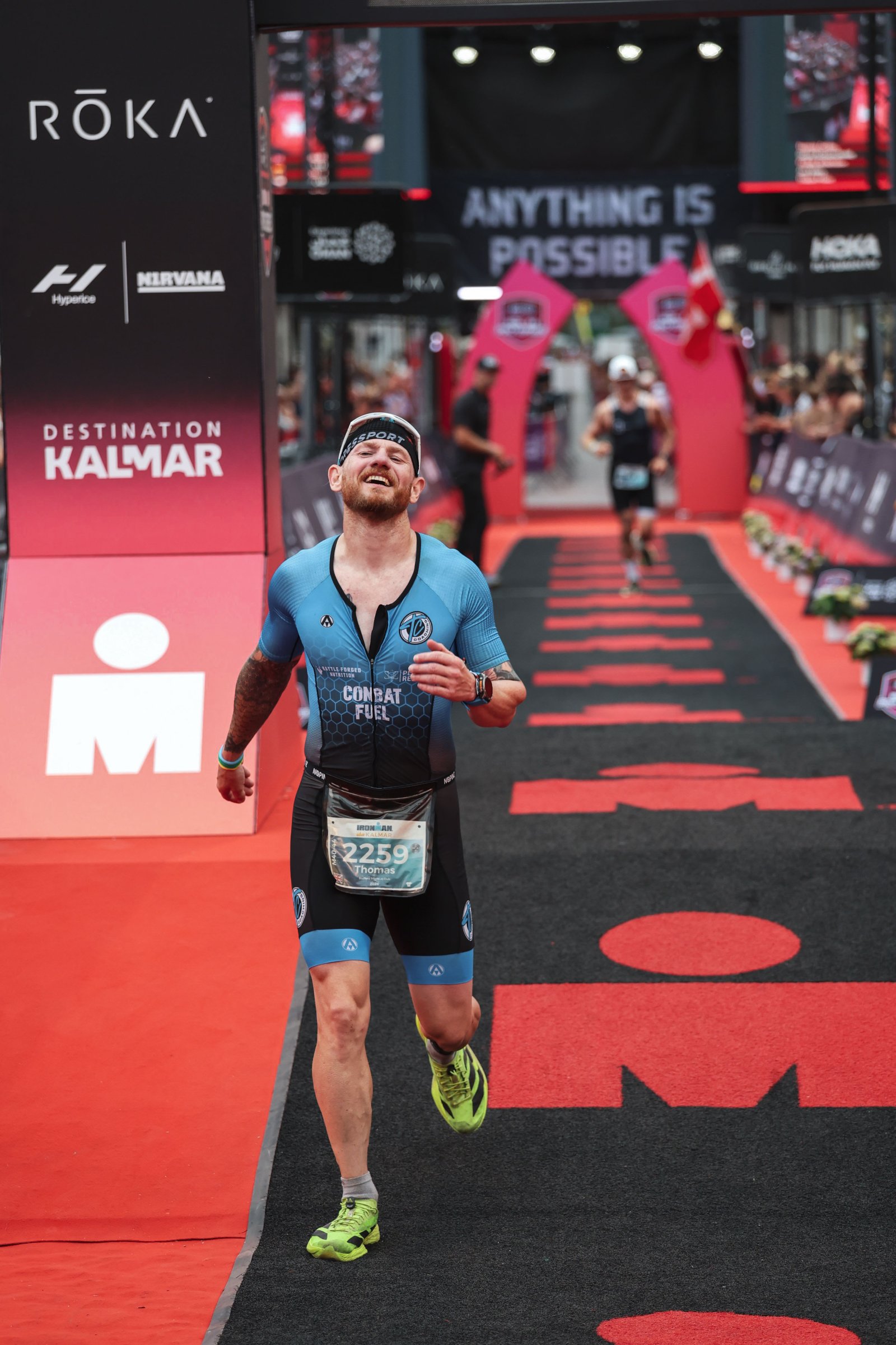
This year I raced one full distance Ironman (Kalmar) and two 70.3s (Mallorca and Jonkoping). It was brilliant to be back in the game: the atmosphere, the nerves, the energy about the place. There really is something special about the Ironman juggernaut.
BLUF: Ironman is a fantastic brand of long distance triathlon, but it is not the sport. The sport is triathlon. If you want to get into it, don't start with an Ironman.
What surprised me at the race briefings
At each briefing this year, I was taken aback by how many first timers there were. Fantastic to see. We all have our first time, and kudos to every single one of them for stepping up.
But here's what surprised me more.
Some of these people weren't just doing their first 70.3 or their first full distance. This was their first ever triathlon. Full stop. At the 70.3 events, yes, and I can understand tat to an extent... but also even at the Full Distance Ironman in Kalmar.
On the one hand, massive respect. What a thing to take on. But it got me thinking: how many of these people are going to do triathlon again after this?
Why that matters
So, firstly I would say... these distances are hard work. And in my humble opinion, a 70.3 or a full Ironman is less about the skill of triathlon, stringing three sports together well, and more a feat of endurance.
That's a big deal. Because a first experience that's all suffering and no rhythm can be enough to put someone off for good. It nearly did me when I first started (that's a story for another time).
I actually had a couple of chats about this while I was racking my bike in transition at Kalmar. Two people, both nervous to the point of being frightened, both wanting to "give triathlon a go". One had Kalmar as their first ever triathlon. The other had done a 70.3 earlier in the year as their first.
Neither felt prepared. Neither had committed to a proper training plan over time, because they'd found the whole thing overwhelming and couldn't fit it around their lives.
Which begged the question... why go for an Ironman so early?
I asked them. The answer came back quick: "Ironman is the big one in triathlon, right? If you want to do a triathlon, you should do an Ironman."
No. No you shouldn't.
Why it actually matters
Here's the bit worth mulling over with your favourite electrolyte drink...
Ironman is a brand. A very good one. They put on great events, they close the roads, the production is slick, and yes, you pay for it (for me it's worth it, but that's another conversation).
Triathlon is the sport. Swim, bike, run, in that order, over a distance. It comes in all shapes:
- Super sprint / sprint: short, sharp, a great first taste. 400m-750m swim, 20km bike, 5km run.
- Standard (Olympic) distance: the classic. 1.5km swim, 40km bike, 10km run.
- Middle distance (70.3, half Ironman): 1800m swim, 90km bike, 21.1km run... a serious step up in endurance.
- Full distance (Ironman, 140.6): 3600m swim, 180km bike, 42.2km run... a full day out.
The key message here is: you don't have to start at, or even get to, the big distances to belong in the sport. Plenty of triathletes never do an Ironman, and they're no less triathletes for it.
So where should you actually start?
Here's what to do if you're getting into triathlon:
- Find a local race. Grassroots events, club races, pool-based sprints. Cheaper, friendlier, and far less intimidating than a mass-start sea swim.
- Do a sprint first. Learn transitions. Learn how it feels to run off the bike. Learn what your body does when the nerves kick in on the start line.
- Then a standard distance. Once a sprint feels manageable, move up. You'll build genuine skill: pacing, fuelling, open water, bike handling.
- Give it a couple of years. Not because you're not capable of more sooner, but because that time lets you build a love for the sport rather than just surviving one big day.
The British Triathlon website is a good place to find affiliated events and clubs near you: britishtriathlon.org. A local club will teach you more in a month than a year of guessing on your own.
Why the slow build wins
That passion you build over a couple of seasons is what carries everything else.
Because when you love the sport, you'll make time for it. You'll commit to a training programme. You'll actually pay attention to the things that matter: consistent sessions, nutrition, hydration, fuelling on the bike, sleep. The unglamorous stuff that quietly decides how your race goes.
And here's a small aside on kit, because people get this backwards:
So many people spend their money first on a fancy bike and a pile of bells and whistles. My honest advice: get your training and the basics locked in first. Then, once you're actually training consistently and you know how to use it, spend money on a bike that helps you go faster.
A superbike ridden twice a month in a position you can't hold, won't make you a triathlete. Consistent training will.
If your heart is set on a 70.3 or full Ironman
Ok, no worries... maybe you've read all this and you still want the big one. That's fine. It's a fantastic goal, and there's nothing wrong with being drawn to it.
Just go in with your eyes open.
- Give yourself a real runway. Not weeks. Months... (8-12 of them), ideally with a sprint or standard distance in the diary along the way.
- Commit to a proper plan over time rather than cramming and hoping.
- Get the endurance basics in early: fuelling, hydration, and time on your feet and in the saddle.
Because to get something you've never had, you need to do something you've never done. But there's a difference between a stretch and a leap into the dark. Better to be consistently good over a season than hope to be miraculously great for one terrifying day.
The takeaway
The key takeaway is this: Ironman is a brand, not a sport. A brilliant brand that puts on brilliant events. But the sport is triathlon, and triathlon is bigger, friendlier and more forgiving than that one intimidating logo suggests.
So if you're thinking about getting into it: start small, build steady, fall in love with the process. The big days will still be there when you're ready for them, and you'll enjoy them far more.
If you've got questions about where to start, or which race makes sense for you, don't sit on them, let me know.